Clara Schmidt · 30 September 2026
Ariabay's Youth Debate Champions Spark Cross-School Mentorship Initiatives in Civic Topics
Students from Ariabay high schools have taken the lead in expanding debate programs into structured mentorship efforts that connect multiple campuses around civic education themes, and these initiatives gained momentum through organized events that began rolling out in early 2025 before expanding further into September 2026. Local debate teams that competed successfully in regional tournaments identified gaps in access to discussion-based learning across neighboring schools, which prompted the formation of paired mentorship groups focused on topics such as local governance, environmental policy, and community rights. Data from the Ariabay School District shows participation in these cross-school sessions reached over 450 students by the close of the 2025 academic year, with additional cohorts forming ahead of the September 2026 schedule.
Origins of the Mentorship Model
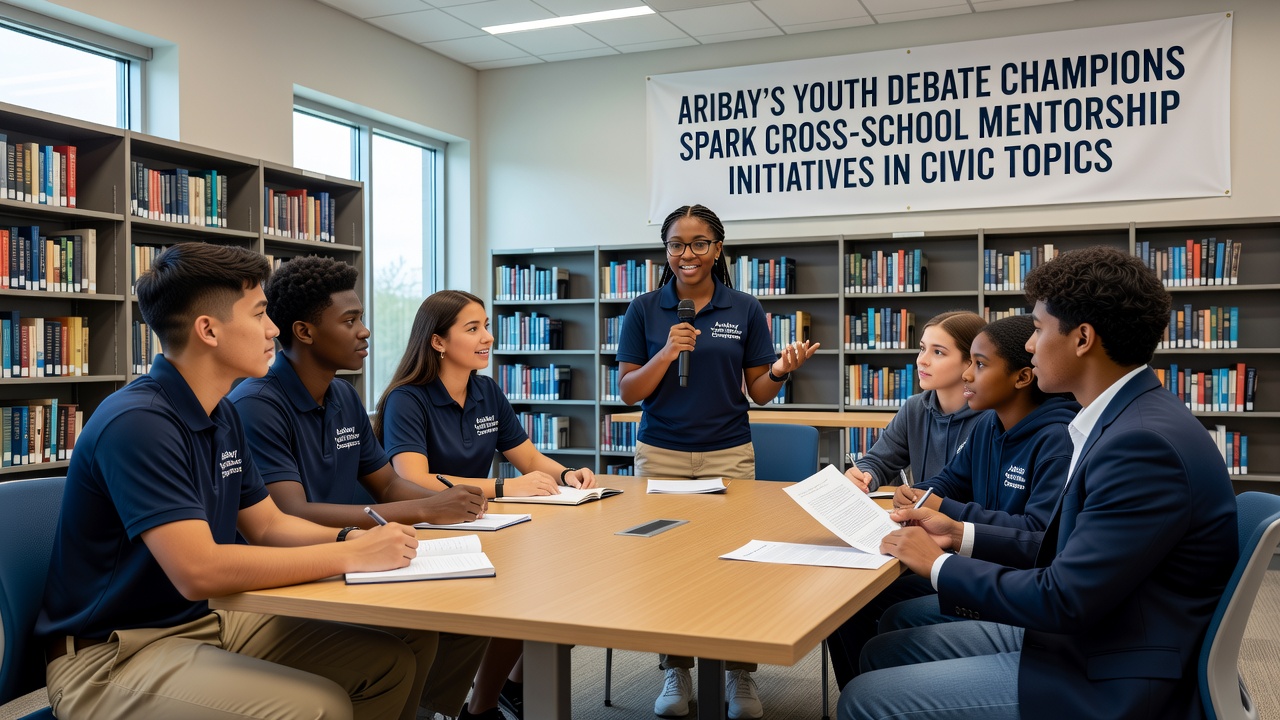
The initial spark came from debate champions at Central Ariabay High who noticed uneven preparation levels among peers at smaller institutions, and they responded by creating a rotation system where experienced debaters visit partner schools twice monthly to guide workshops on argument construction and evidence evaluation. Researchers at the nearby state university documented similar patterns in other districts where student-led programs filled resource shortfalls, and their observations aligned with findings from a 2024 OECD report on civic learning that highlighted the value of peer-to-peer exchanges in building sustained engagement. One study from that report noted measurable gains in student understanding of policy processes when programs emphasized direct interaction over traditional lectures alone.
Program organizers structured sessions around rotating civic themes drawn from current municipal agendas, including coastal management and public infrastructure planning, while incorporating primary source documents from town council records. This approach allowed participants to practice research skills on issues directly relevant to their communities, and attendance records indicate consistent turnout across the five participating schools that joined the network by mid-2025.
Structure and Reach of the Initiatives
Mentorship pairs operate on a hub-and-spoke model where lead debaters from championship teams coordinate with faculty advisors at each location, and this setup has enabled sessions to occur both in person and through shared digital platforms. Figures from the district's education office reveal that 62 percent of involved students reported increased confidence in public speaking after one semester, according to anonymous surveys collected at the end of each term. The September 2026 cycle plans to incorporate virtual components for remote learners, expanding access beyond the original geographic cluster.
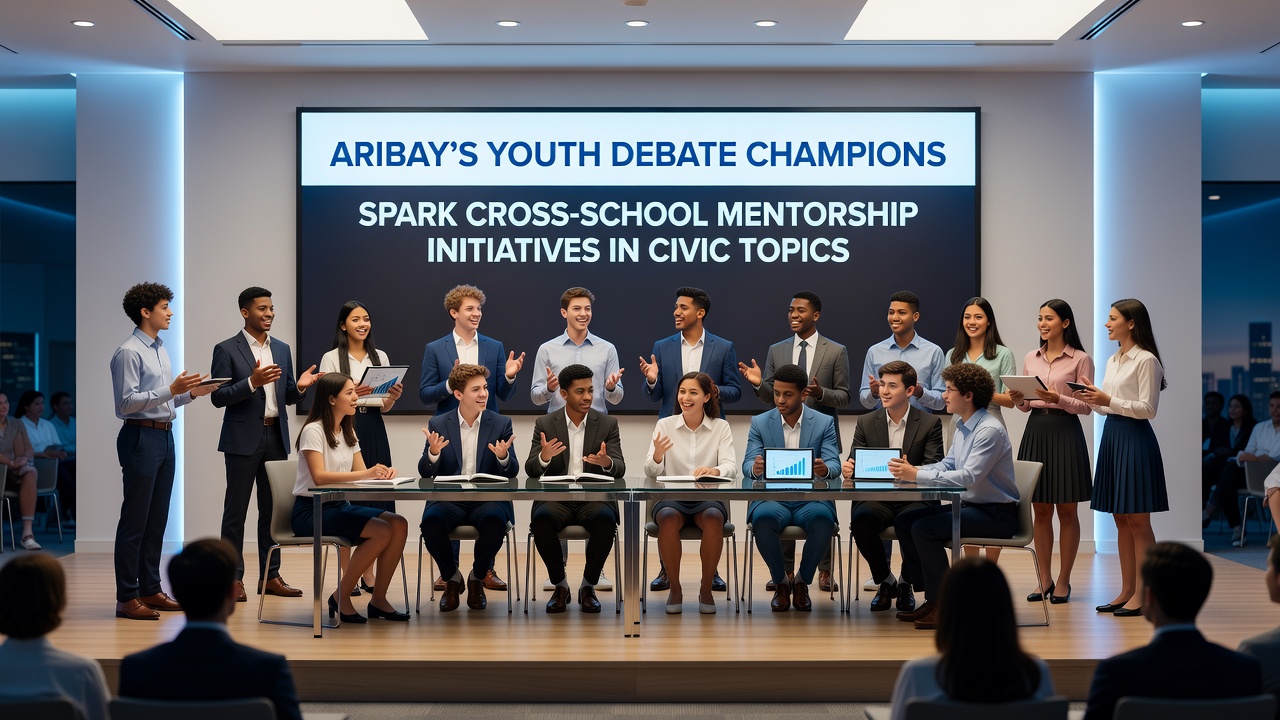
Case examples include a partnership between North Ariabay Academy and Riverside Secondary where teams examined water quality regulations through simulated public hearings, and transcripts from those exercises later informed actual student submissions to local advisory boards. Similar efforts at other sites have drawn on materials from the Australian Curriculum Assessment and Reporting Authority, which tracks comparable student-led civic projects in regional areas and reports parallel outcomes in critical thinking metrics. Observers note that the Ariabay model adapts elements from these international examples while tailoring content to specific municipal concerns.
Integration with Broader Civic Education Efforts
District administrators have aligned the mentorship activities with existing social studies curricula, and this coordination has allowed teachers to award elective credit for consistent participation. Data compiled by the National Center for Education Statistics in the United States indicates that programs blending debate with mentorship produce higher rates of continued civic involvement after graduation, and local tracking efforts in Ariabay aim to replicate those measurements over the next three years. Sessions scheduled for September 2026 will introduce modules on digital citizenship and information verification, reflecting updates in state education standards released earlier in 2025.
Community organizations have contributed guest facilitators on select dates, which has introduced perspectives from municipal planning departments and nonprofit advocacy groups. Records show these collaborations added 28 external speakers across the 2025 calendar, and organizers expect similar or increased numbers during the upcoming cycle. The resulting networks have also facilitated joint field trips to council meetings, where students observe proceedings that connect directly to the topics covered in mentorship workshops.
Outcomes and Tracking Mechanisms
Evaluations conducted at the close of each academic term track changes in student knowledge through pre- and post-session assessments, and results indicate average score improvements of 18 points on standardized civic literacy measures. Those who've studied comparable initiatives in Canadian provinces report that sustained cross-school connections correlate with lower dropout rates in related extracurricular activities, and Ariabay coordinators have begun collecting longitudinal data to examine whether similar patterns emerge here. The September 2026 phase includes plans for a centralized database to streamline record-keeping across all partner schools.
Partnerships wth university researchers continue to refine evaluation tools, ensuring that metrics capture both debate skill development and broader civic awareness. This ongoing collaboration has produced interim reports shared with district leadership, and the data supports adjustments such as extended session lengths during peak exam periods.
Conclusion
The cross-school mentorship initiatives launched by Ariabay's youth debate champions continue to evolve through structured partnerships and data-informed refinements, with activities extending into the September 2026 term and beyond. District records and external studies together document steady growth in participation alongside measurable shifts in student competencies related to civic topics. These efforts demonstrate how student-driven structures can integrate with formal education systems to address access disparities while maintaining focus on local governance and policy issues.