Greta Washington · 11 November 2026
Community Volunteers Lead Ariabay Lot Conversions into Shared Green Areas
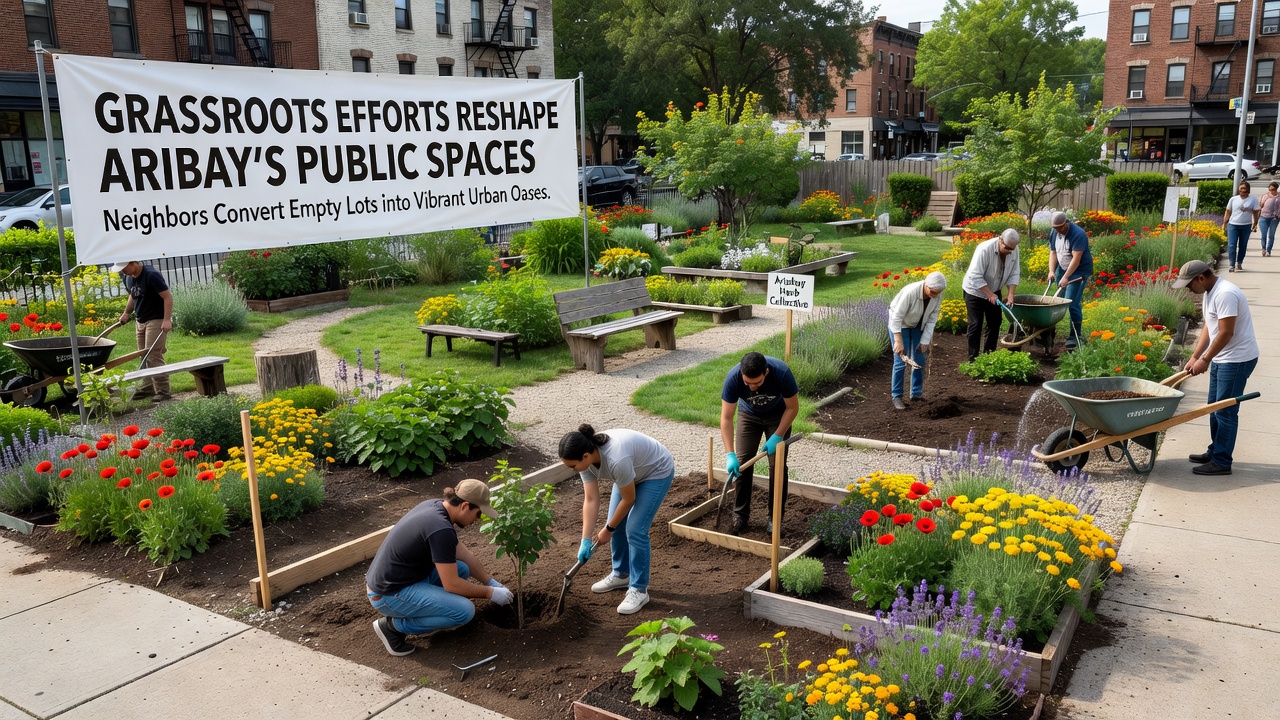
Residents across Ariabay have organized multiple projects since early 2025 to turn neglected parcels into community gardens, pocket parks, and gathering spots, and local records show more than twenty sites now feature raised beds, walking paths, and native plantings. Those who've studied similar efforts in other cities note that such conversions often begin with small groups meeting in living rooms before expanding to weekend work sessions that clear debris and install soil amendments, while data from municipal planning departments indicates the total acreage involved reached forty-five acres by mid-2026. Observers note that these initiatives rely on donated tools, seed swaps, and partnerships with nearby businesses that supply mulch and fencing at reduced rates.
Early Steps and Neighborhood Coordination
Groups in the Westridge and Harborview districts formed the first committees after spotting overgrown lots that had remained unused for years, and they mapped locations using public property records before presenting plans to city officials. One study revealed that initial approvals came after residents demonstrated soil testing results and water access plans, whereas later projects benefited from streamlined permitting that cut review times by half. People who've tried this often discover that early successes, such as a 2025 harvest festival at the former rail yard site, drew additional volunteers and encouraged adjacent blocks to start their own plots.
Planting Schedules and Resource Sharing
Volunteers rotate duties for irrigation and weeding throughout the growing season, and they coordinate bulk purchases of compost through a shared account that lowers individual costs. Research indicates native pollinator species have increased at several converted sites, according to counts conducted by local biology students who visit monthly. But here's the thing, the projects also incorporate art elements like mosaic benches and painted murals that reflect neighborhood histories, and these additions appear after core planting work finishes each spring.
November 2026 Milestones and Ongoing Work
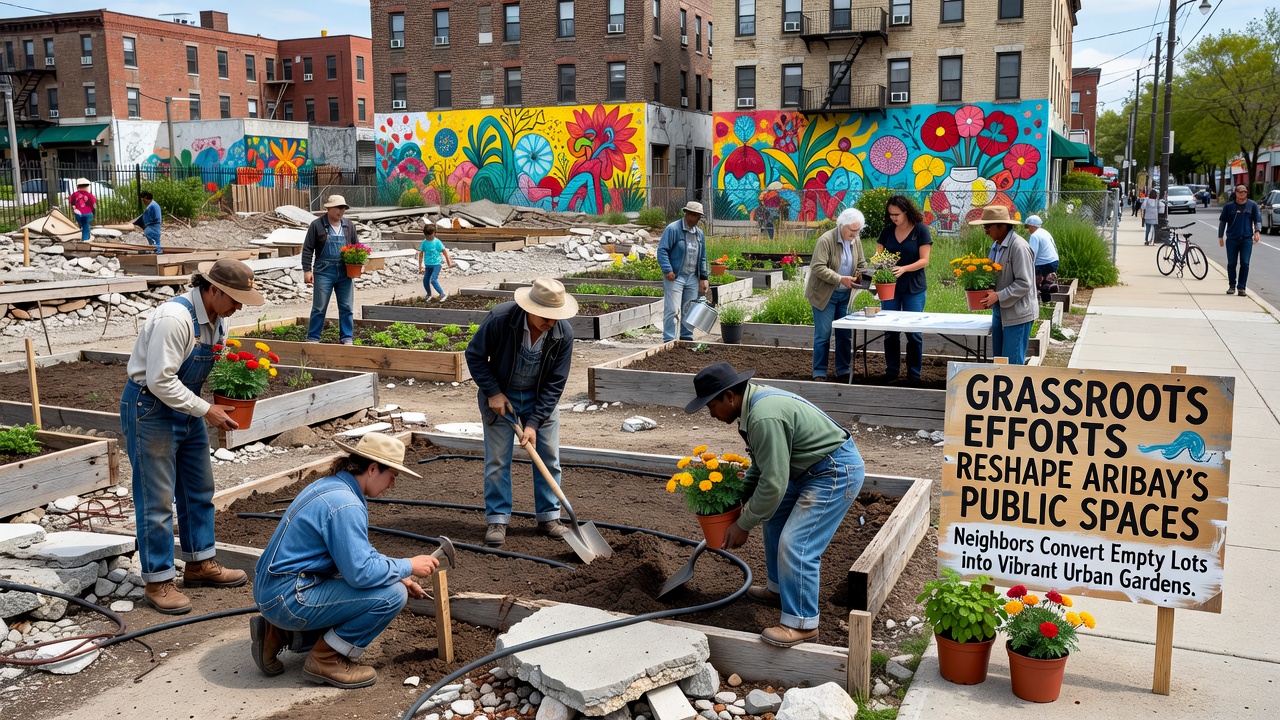
In November 2026, three additional lots entered active conversion phases after residents secured grants from regional conservation funds, adn work crews focused on grading surfaces plus installing drip systems before winter set in. Figures reveal that participation numbers climbed to over three hundred regular volunteers across all sites, while equipment sharing networks now include electric tillers and rain barrels distributed from a central storage shed. Those who've studied this know that seasonal slowdowns allow time for planning workshops where new members learn about crop rotation and pest management from experienced gardeners.
Local schools have joined by assigning classes to monitor plant growth and record weather impacts, and the resulting data sets feed into larger reports shared with agricultural extension services. Experts have observed that such youth involvement strengthens long-term stewardship because students return with families on weekends. What's interesting is that some lots now host monthly market days where produce sells to fund further improvements like lighting and signage.
Measured Outcomes Across the City
City environmental reports track reductions in stormwater runoff at converted sites, and the numbers align with findings from similar programs documented by Canadian urban forestry researchers at Natural Resources Canada. Data shows temperature drops of two to three degrees Celsius in shaded areas during summer months, while bird and insect surveys conducted by volunteers document rising diversity. Observers note that property values near several oases have risen modestly according to assessor records, although the primary recorded benefit remains increased foot traffic and social interaction.
Future Phases and Support Networks
Planning documents outline five more conversions scheduled for 2027, and organizers continue to recruit through neighborhood apps and bulletin boards at libraries. There's this case where experts found that cross-neighborhood tool libraries reduced startup costs for newer groups by forty percent, and similar models now operate in three districts. Researchers discovered that sustained funding from small business sponsorships and annual plant sales keeps maintenance crews supplied without relying solely on grants.
Conclusion
Records compiled through the end of 2026 document steady expansion of these grassroots sites, and the pattern shows residents maintaining momentum through shared labor and incremental improvements. Continued tracking by municipal staff and volunteer groups will capture how these spaces evolve with seasonal changes and new participants.