Gisela Albrecht · 28 October 2026
Creative Learning Gets Boost in Ariabay's Updated School Funding Plan
The Ariabay school district rolled out revisions to its funding framework in October 2026, and those adjustments direct additional resources toward creative learning initiatives across elementary and secondary levels. Officials distributed the new allocations through a combination of grants and targeted program budgets that emphasize arts integration, project-based STEM activities, and cross-disciplinary design challenges. Data from the district's preliminary reports show that 42 percent of the overall increase now routes specifically to creative modules rather than traditional textbook replacements or facility maintenance alone.
Funding Allocation Breakdown
District administrators released the updated numbers during a public meeting last month, and the figures reveal a shift away from uniform per-pupil distributions. Instead, schools submit proposals that demonstrate measurable creative outcomes, such as student portfolios or collaborative exhibitions, before receiving supplemental support. One allocation stream now covers professional development for teachers who integrate digital fabrication tools into existing curricula, while another covers partnerships with local arts organizations that supply visiting instructors and materials.
Budget documents indicate the total creative learning pool rose by $1.8 million compared with the previous cycle, and that amount supports roughly 18 additional full-time equivalent positions focused on arts and innovation instruction. The changes build on an earlier pilot that ran through spring 2026, when three middle schools tested extended creative blocks during the regular school day.
Program Examples in Local Schools
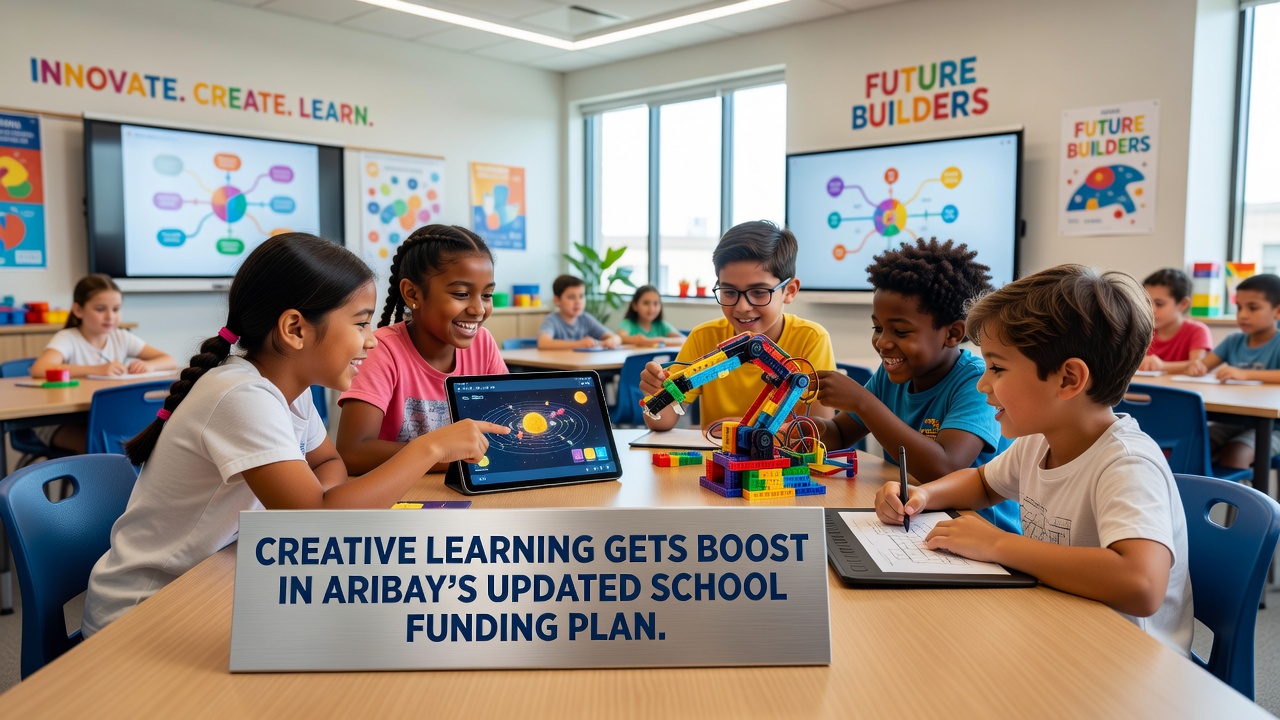
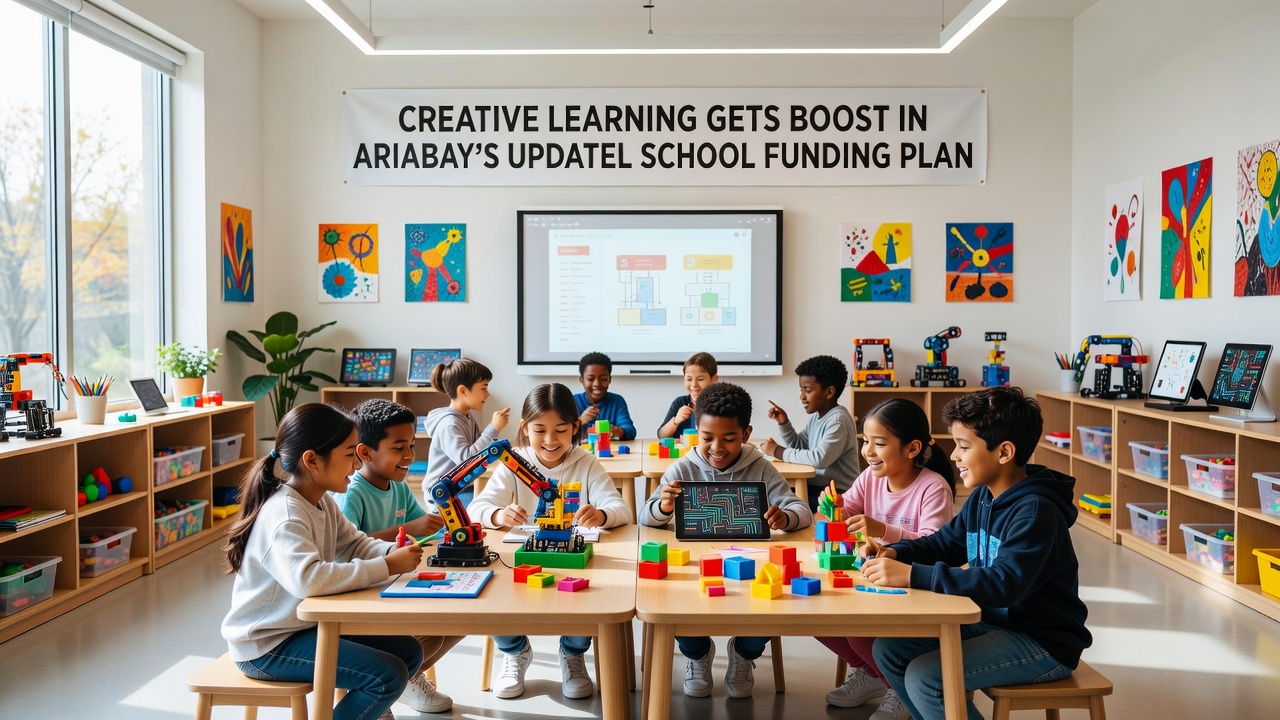
At Harborview Elementary, staff used part of the new funding to launch a weekly maker lab that combines coding, sculpture, and storytelling. Students in grades three through five rotate through stations where they design 3D-printed models tied to science units, then write accompanying narratives. Teachers report that attendance during these sessions has remained near 95 percent, and preliminary assessment scores in related subjects show modest gains.
Meanwhile, Ariabay High School expanded its existing theater and media production electives, adding a podcasting sequence that draws on oral history projects with community members. The district covered equipment purchases and a part-time technical coordinator through the updated plan, and enrollment in those classes increased by 28 percent in the first semester after launch. Similar patterns appear at two other secondary sites that adopted comparable schedules.
Research Connections and External Benchmarks
Observers note that the district's approach aligns with findings from multiple international studies on arts-integrated instruction. According to an OECD report on creative skills development, students who participate in sustained creative programs demonstrate stronger problem-solving performance on standardized tasks. The Ariabay plan incorporates similar metrics, requiring schools to track both participation rates and skill progression over a full academic year.
Another reference point comes from Australian government curriculum guidelines, which recommend embedding creative thinking across subject areas rather than isolating it in separate classes. District planners reviewed those guidelines while drafting the 2026 revisions, and they adapted several assessment rubrics that emphasize process documentation alongside final products.
Implementation Timeline and Support Structures
Rollout began immediately after the October announcement, with initial training sessions scheduled through December 2026. Schools receive coaching from a newly formed district creative learning team that visits each site monthly to review progress and troubleshoot supply or scheduling issues. The team also maintains an online resource portal where educators share lesson templates and student work samples.
Community partners play a continuing role, and several local businesses have committed materials or mentorship hours as part of the funding agreements. One engineering firm, for example, supplies volunteer engineers for quarterly design challenges that connect directly to the new curriculum modules. These arrangements reduce direct costs while expanding the range of real-world applications available to students.
Monitoring and Adjustment Process
The district established quarterly review checkpoints to evaluate whether the added resources produce intended results. Each participating school submits data on enrollment, project completion rates, and teacher feedback, and those reports feed into a public dashboard updated every three months. Adjustments to future funding rounds will depend on patterns that emerge from teh collected information.
So far, early indicators suggest broad uptake, though some smaller schools have requested additional guidance on proposal writing. District staff plan to host targeted workshops in November to address those gaps and ensure equitable access across all sites.
Conclusion
The October 2026 updates to Ariabay's school funding plan have redirected resources toward creative learning in measurable ways, and the resulting programs now operate across multiple grade levels. Continued data collection through the established checkpoints will determine how those efforts evolve in subsequent budget cycles.